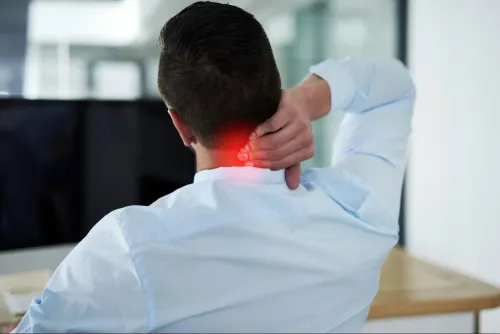

A painful back after lifting something heavy or spending hours at a desk is common. In many cases, Back pain improves with appropriate rest, movement modification, and gradual return to normal activity. However, recurring or severe symptoms can sometimes indicate a problem that deserves medical assessment.
Back discomfort can arise from muscles, ligaments, spinal joints, discs, nerves, or other structures. Understanding the pattern of symptoms is therefore more useful than assuming every episode has the same cause.
Common Reasons the Back Starts Hurting
Muscle strain is a frequent cause of temporary discomfort, particularly after unfamiliar exercise, sudden twisting, lifting, or prolonged awkward posture.
Other possible causes include:
- Age-related spinal changes
- Disc-related problems
- Poor movement mechanics
- Repetitive physical work
- Reduced core strength
- Previous injuries
- Nerve irritation
- Certain spinal conditions
Long periods of sitting may also contribute to stiffness and muscular fatigue, especially when movement throughout the day is limited.
Pay Attention to the Pattern of Pain
Where the discomfort occurs and how it behaves can provide important information.
Pain limited to the lower back may behave differently from pain that travels through the buttock and down the leg. Radiating pain, tingling, numbness, or weakness may suggest nerve involvement and should not simply be treated as ordinary muscular soreness.
Similarly, symptoms following a significant fall or road accident require a different level of attention than mild stiffness after prolonged sitting.
When Medical Assessment Becomes Important
An orthopedic evaluation may be appropriate when pain is severe, persists despite reasonable self-care, frequently returns, or progressively limits normal activities.
Prompt assessment is particularly important when back symptoms are accompanied by:
- Increasing weakness in a leg
- Significant numbness
- Difficulty walking
- Fever with unexplained back pain
- Pain following significant trauma
- Changes in bladder or bowel control
- Numbness around the groin or saddle region
The last two symptoms can require urgent medical evaluation.
Everyday Habits Can Influence Recovery
Complete inactivity is not always helpful for uncomplicated mechanical back discomfort. When medically appropriate, gentle movement and gradual activity can help maintain flexibility and prevent unnecessary deconditioning.
Practical habits include adjusting workstation ergonomics, avoiding sudden heavy lifting, learning safer lifting techniques, taking movement breaks during prolonged sitting, and building strength progressively.
Exercise should match the underlying condition. Someone with uncomplicated muscular discomfort may need a different programme from a patient with nerve compression or a spinal injury.
Finding the Actual Cause Matters
Repeatedly using pain-relieving measures without understanding persistent symptoms can delay appropriate treatment. Clinical examination helps identify movement restrictions, neurological findings, muscle weakness, and other features that may guide further investigation.
Patients experiencing persistent back problems in Kalamboli, Maharashtra, can undergo orthopedic assessment at Dhanvantari Hospital to determine whether the symptoms are likely to respond to conservative care or need additional investigation.
Most importantly, back discomfort should be viewed according to its severity, duration, associated symptoms, and effect on daily function. Recognizing warning signs and responding appropriately can make the path from recurring discomfort to effective management much clearer.
Keywords