A child’s bow legs, limp, hip pain or uneven shoulders can reflect normal growth, an injury, infection or a condition that needs treatment. By the end, you will know which childhood problems commonly need paediatric orthopaedic assessment, which warning signs need urgent care and what examination and treatment may involve.
Key takeaways
- Pain-free running and symmetrical movement often support normal development.
- A limp, refusal to bear weight or rapid worsening needs prompt medical review.
- Compare leg and foot differences with the child’s age, flexibility and function.
- Assessment may include movement checks, gait observation and imaging when indicated.
Which leg and foot differences are part of normal development?
Symmetry, flexibility, function and age help separate normal variation from a condition needing assessment. A child who runs, plays and has no pain is less concerning than one who limps, avoids weight-bearing or loses movement. Rapid worsening also deserves review.
| Difference | Usually developmental | Arrange assessment when |
|---|---|---|
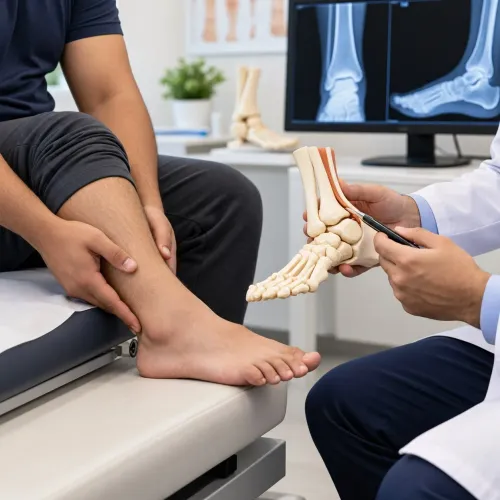
| Flat feet | The arch appears when the child stands on tiptoe; the foot is painless and flexible. | The foot is rigid, painful, markedly uneven or remains stiff during movement; tarsal coalition is one possible cause. |
| Bow legs | Both legs curve similarly in toddlers and gradually improve by about age 2 to 3. | One side is different, the curve worsens after age 3, or pain, short stature or walking difficulty appears. |
| Knock knees | Both knees angle inward around ages 3 to 6, then alignment improves. | The gap between the ankles is large, one leg differs, walking is difficult or the alignment persists beyond the expected growth stage. |
| Intoing | The feet point inward without pain and improve as the child grows. | Tripping, pain, stiffness, marked asymmetry or worsening prompts review. |
| Hip development | No outward sign reliably excludes developmental dysplasia of the hip (DDH), even after a normal newborn examination. | Limited hip opening, unequal thigh folds, leg-length difference or breech birth or family history warrants assessment; ultrasound is used in young infants and pelvic X-ray after about 4–6 months. |
| Foot position | A flexible flat foot is usually harmless. | A rigid foot turned inward and downward suggests clubfoot, which needs early orthopaedic treatment rather than observation. |
What do hip, spine and activity-related conditions look like at different ages?
A limp is a symptom, not a diagnosis. Do not assume it comes from intoing or flat feet, especially when pain, stiffness, fever or reduced weight-bearing is present.
| Condition | Age and symptoms | What to do |
|---|---|---|
| Perthes disease | Usually ages 4–10; painless or painful limp, hip or groin pain, reduced hip movement, or pain felt in the knee. | Arrange orthopaedic assessment. Treatment depends on hip motion, age and whether the femoral head remains contained. |
| Slipped capital femoral epiphysis | Usually during adolescence; hip, groin, thigh or knee pain, limping, an outward-pointing leg and difficulty walking. | Treat as urgent. Keep the child off the affected leg until assessed; weight-bearing can worsen the slip. |
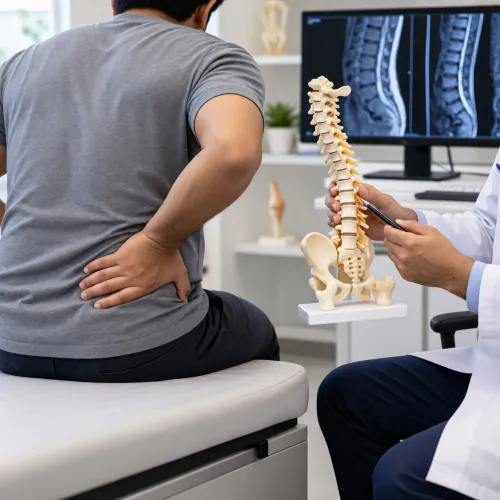
| Scoliosis | Often noticed during later childhood or adolescence; uneven shoulders or waist, one shoulder blade more prominent, or a rib hump when bending forward. | Book an assessment, particularly if the curve progresses or pain and neurological symptoms occur. |
| Juvenile idiopathic arthritis | Joint swelling, warmth or stiffness lasting at least six weeks; morning stiffness, limited movement or several affected joints. | Seek medical assessment for examination, blood tests and joint-focused imaging. |
| Osgood-Schlatter disease | During a growth spurt; tender bump below the kneecap, worse with running, jumping or kneeling. | Reduce aggravating activity, stretch and strengthen as advised, and use pain control. The prominence can remain after pain settles. |
| Overuse injury | Gradual, localised pain during sport, tenderness or swelling without one clear accident; symptoms ease with rest but return on resuming activity. | Stop the provoking activity and arrange assessment if pain persists, worsens or changes walking. |
Fever, night pain, sudden severe pain or inability to bear weight needs prompt assessment rather than sports-injury care.
When does pain, limping or a swollen joint need urgent care?
Do not wait for a routine appointment if your child has a hot, swollen joint with fever, cannot bear weight, or suddenly stops using an arm or leg. These signs can indicate infection, a fracture or dislocation, or a growth-plate injury.
| Situation | Warning signs | What to do |
|---|---|---|
| Infection | Fever, a red or hot joint, severe pain when the joint moves, marked swelling, or a child who looks ill. Osteomyelitis can cause deep bone pain, fever and refusal to use a limb without any open wound. | Seek emergency assessment today. Septic arthritis can rapidly damage cartilage and may need joint aspiration, drainage and antibiotics. |
| Serious injury | Severe pain after a fall or collision, visible deformity, rapidly increasing swelling, numbness, a pale or cold hand or foot, or inability to bear weight. | Go to an emergency department; do not straighten the limb yourself. |
| Growth-plate problem | An adolescent develops sudden hip, groin or knee pain, a limp, an outward-turning leg or inability to walk. Slipped capital femoral epiphysis is time-sensitive. | Keep the child off the affected leg and obtain urgent orthopaedic assessment. |
A limp with night pain, weight loss, persistent fatigue, or symptoms that worsen also needs prompt evaluation. Juvenile idiopathic arthritis often causes ongoing swelling and morning stiffness rather than a sudden injury. Overuse injuries usually build gradually without fever, but pain that persists after rest still deserves assessment.
What happens during a paediatric orthopaedic assessment?
A paediatric orthopaedic assessment starts with a clear history. Before the appointment, record when symptoms began, where the pain or swelling appears, what triggers it, whether it causes limping or night waking, any fever or injury, and changes in walking, running or arm use.
Bring videos of unusual gait and details of recent infections, medicines and family history.
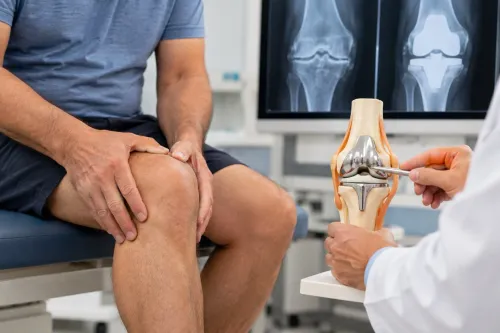
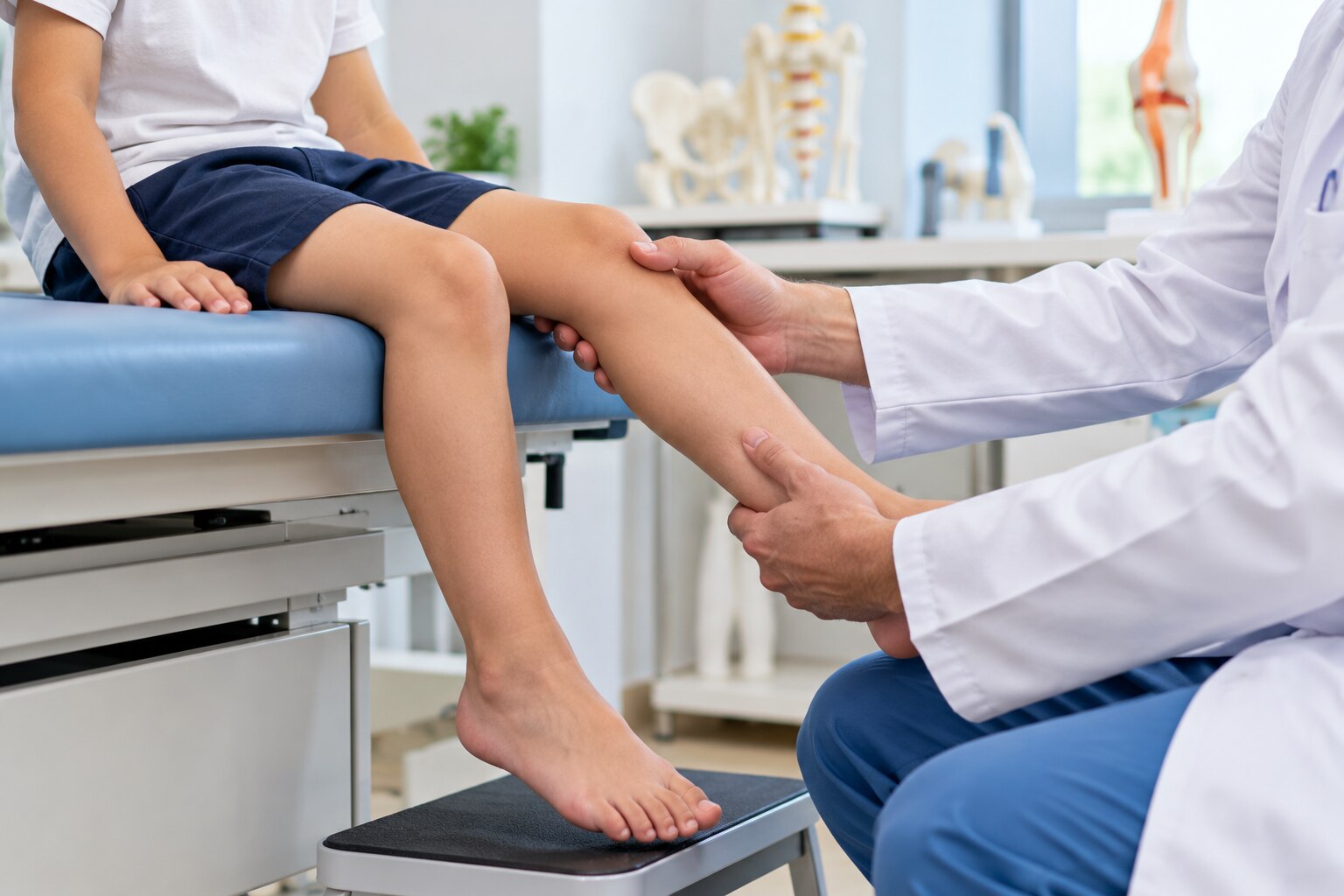
- The clinician examines posture, limb length, joints, tenderness, swelling, movement, strength and nerve or blood-supply signs.
- A gait examination shows whether the child limps, turns a foot in or out, avoids weight-bearing or has an alignment problem that is not obvious while standing still.
- The clinician checks growth plates through age, growth pattern, joint examination and imaging. This matters because an injury or slipped growth plate can alter future bone development.
- An X-ray shows bone alignment, fractures, joint spaces, deformity and some growth-plate problems. For suspected developmental dysplasia of the hip, ultrasound is most useful in young infants; a pelvic X-ray becomes more useful after about 4–6 months.
- MRI displays cartilage, marrow, muscles, ligaments and hidden fractures, helping investigate Perthes disease, infection, inflammatory disease or persistent unexplained pain. Blood tests such as a complete blood count, CRP and ESR look for infection or inflammation.
A hot swollen joint, fever or inability to bear weight needs urgent assessment; joint aspiration and drainage may be necessary when septic arthritis is suspected.
How are childhood bone and joint conditions treated?
Treatment is matched to the child’s age, growth remaining, diagnosis and functional impact. A painless flexible flatfoot usually needs observation, not orthotics or surgery; persistent pain, stiffness or a rigid foot needs assessment.
| Approach | When it fits | Why |
|---|---|---|
| Observation | Normal bow legs, knock knees, flexible flat feet, mild Osgood–Schlatter disease or stable Perthes disease | Many improve with growth; unnecessary treatment adds burden |
| Physiotherapy | Perthes disease, scoliosis-related weakness, recovery after injury or surgery | Preserves movement, gait and muscle control |
| Stretching and strengthening | Osgood–Schlatter disease and overuse injuries | Reduces traction and restores load tolerance |
| Activity modification | Painful sports-related conditions | Replace running or jumping temporarily without stopping all movement |
| Medication | Pain or inflammation, or infection alongside prescribed antibiotics | Relieves symptoms; osteomyelitis needs cultures and antibiotics, not pain medicine alone |
| Bracing | Early developmental dysplasia of the hip or selected alignment problems | A Pavlik harness supports hip development; it cannot correct every late diagnosis |
| Casting | Selected fractures, clubfoot correction or hip reduction | Holds corrected bones or joints still while they heal |
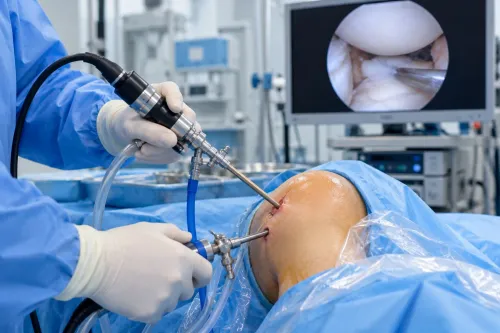
| Surgery | Severe deformity, failed conservative care, abscess, necrotic bone, or high-risk Perthes disease | Corrects structure or removes a threat to the joint |
Children are not small adults: growth plates can be injured, young bones remodel, and treatment must preserve future growth. A forearm fracture with acceptable alignment may heal in a cast, while rotation or poor alignment can require reduction or surgery.
Dhanvantari Hospital can help compare growth-preserving options when observation, bracing, casting or surgery is being considered.
Related service
Paediatric Orthopedics Treatment Paediatric Orthopedics Treatment Dr. Anand Upadhye and Dr. Sushant Upadhye at Dhanvantari Hospital provides specialized paediatric orthopedics care for children with bone, joint,... View service → |
Frequently asked questions
Which leg and foot differences can be part of normal development?
Many alignment and foot-position differences change as children grow. Age, symmetry, flexibility, pain and function help distinguish normal variation from a condition needing assessment.
What signs suggest a childhood bone or joint problem needs urgent care?
Seek prompt care for a child who cannot bear weight, develops a sudden limp, has a swollen joint, loses movement, or worsens quickly.
What happens during a paediatric orthopaedic assessment?
The clinician reviews the child’s symptoms and development, observes walking and standing, checks alignment and joint movement, and orders imaging when the examination indicates it.
How are childhood bone and joint conditions treated?
Treatment depends on the condition, age and effect on function. Options include observation, activity changes, physiotherapy, braces or casts, medicines, and surgery when needed.