
Shoulder pain can quietly disrupt everyday life. Tasks like reaching for a cupboard, lifting groceries, driving, carrying a child, or even sleeping comfortably become difficult when the shoulder joint is not functioning properly. While occasional soreness may improve with rest, persistent pain often signals an underlying condition that requires medical evaluation.
People living in Kalamboli and nearby areas of Maharashtra frequently experience shoulder pain due to repetitive work, sports activities, ageing, injuries, or degenerative joint conditions. Identifying the cause early not only relieves discomfort but also helps prevent long-term stiffness and loss of movement.
Simple Movements Should Never Feel Difficult
The shoulder is the most mobile joint in the human body, allowing movement in multiple directions. This flexibility also makes it more vulnerable to injuries involving muscles, tendons, ligaments, cartilage, and bones.
Common causes of shoulder pain include:
- Rotator cuff injuries
- Tendon inflammation
- Frozen shoulder
- Shoulder arthritis
- Ligament injuries
- Shoulder instability
- Fractures following a fall
- Sports-related overuse injuries
Each condition affects the shoulder differently, making professional assessment essential for accurate treatment.
Early Symptoms Often Reveal The Real Problem
Many shoulder conditions begin gradually before affecting normal daily activities.
Medical attention should be considered if you notice:
- Pain while lifting the arm
- Difficulty reaching overhead
- Pain during sleep
- Weakness while carrying objects
- Clicking or grinding during movement
- Stiffness that limits shoulder motion
- Swelling after an injury
Ignoring these warning signs may allow the condition to progress, making recovery longer and more challenging.
Finding The Cause Before Starting Treatment
Effective treatment always begins with an accurate diagnosis rather than simply reducing pain.
Depending on your symptoms, an orthopaedic specialist may recommend:
- Physical examination
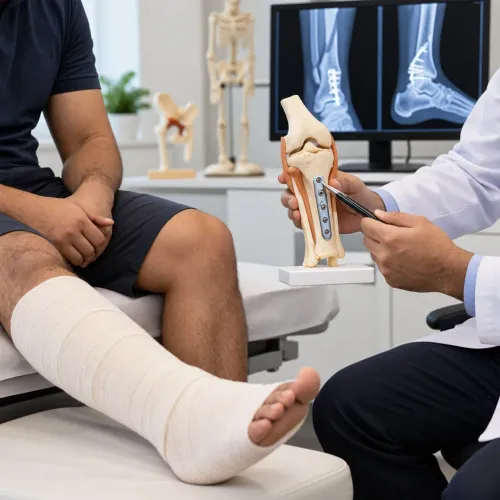
- Digital X-rays
- MRI scanning
- Ultrasound evaluation for tendons
- Joint stability assessment
- Range of motion testing
These investigations help determine whether the problem involves muscles, tendons, ligaments, cartilage, or bone.
Every Treatment Plan Should Match The Patient
No single treatment works for every shoulder condition. The right approach depends on the underlying diagnosis, age, occupation, lifestyle, and activity level of the patient.
Treatment may include:
- Anti-inflammatory medication
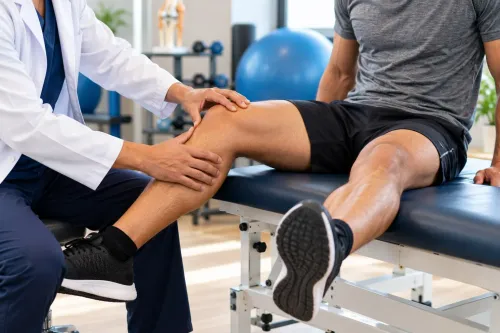
- Physiotherapy
- Activity modification
- Guided rehabilitation exercises
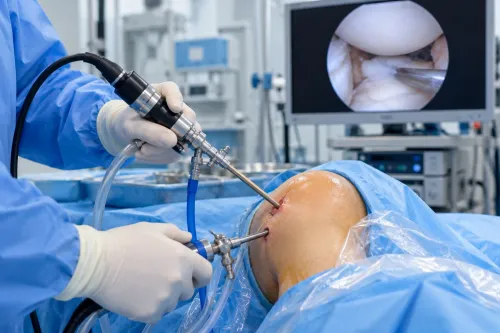
- Shoulder arthroscopy for selected conditions
- Surgical repair when significant structural damage is present
The goal is to restore comfortable movement while protecting the long-term health of the shoulder joint.
Recovery Continues Beyond Pain Relief
Successful recovery involves more than eliminating pain. Rebuilding shoulder strength, flexibility, and stability helps patients regain confidence during everyday activities.
Rehabilitation commonly focuses on:
- Improving shoulder mobility
- Strengthening supporting muscles
- Restoring normal movement patterns
- Preventing stiffness
- Reducing the risk of repeat injuries
Following a structured rehabilitation programme often produces better long-term outcomes than relying on rest alone.
Healthy Shoulders Support An Active Lifestyle
Many shoulder problems can be prevented through simple daily habits.
Helpful measures include:
- Warming up before sports or exercise
- Maintaining proper posture while working
- Avoiding repetitive overhead strain
- Performing shoulder strengthening exercises
- Taking regular breaks during repetitive tasks
- Seeking early medical advice when pain persists
These habits reduce unnecessary stress on the shoulder and support long-term joint health.
People experiencing shoulder pain in Kalamboli should avoid assuming the discomfort will resolve on its own. Early diagnosis often leads to simpler treatment and faster recovery. Dhanvantari Hospital provides comprehensive orthopaedic evaluation and personalised treatment for shoulder conditions, helping patients regain comfortable movement, improve daily function, and return to an active lifestyle with confidence.
Keywords