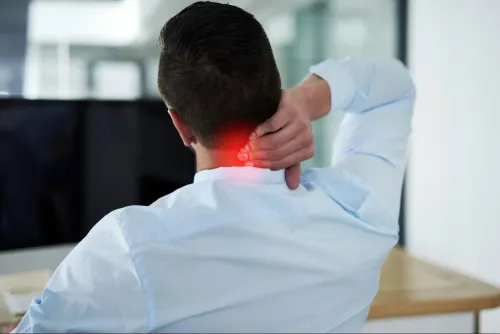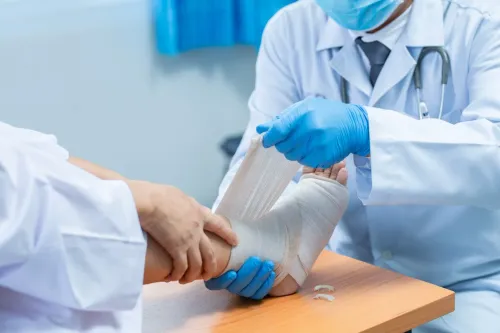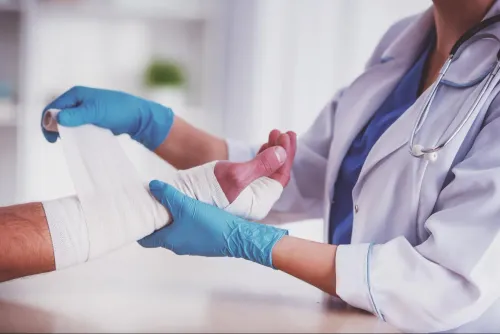
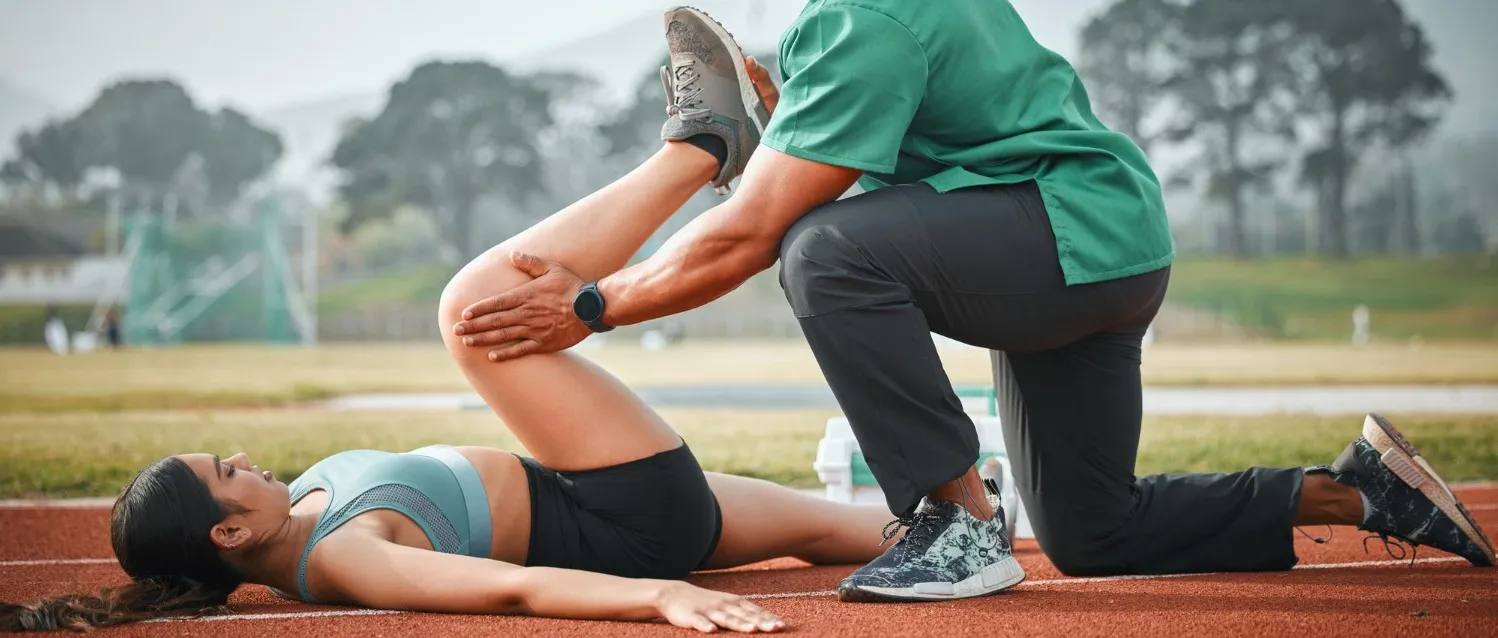
Sports injuries are not limited to professional athletes. Recreational runners, gym users, school athletes, weekend cricket players, cyclists, and people returning to exercise after a long break can all experience muscle, tendon, ligament, and joint injuries. Sports Medicine Treatment focuses on understanding these injuries while helping individuals recover safely and return to activity at an appropriate pace.
The goal is not simply to make pain disappear. A good recovery plan considers why the injury occurred, which structures are affected, and what needs to improve before normal sporting activity resumes.
Sports Injuries Can Develop in Different Ways
Some injuries occur suddenly. An awkward landing can injure the knee, while a rapid change of direction may strain a ligament. Falls, collisions, and direct blows can also cause fractures and joint injuries.
Other problems develop gradually through repeated loading. These overuse injuries may be associated with:
- Sudden increases in training volume
- Inadequate recovery
- Repetitive movement
- Poor exercise technique
- Muscle weakness
- Limited flexibility
- Unsuitable training surfaces
- Returning to sport too quickly
Recognizing whether an injury is acute or related to repetitive stress helps guide assessment and rehabilitation.
Pain Is Only One Part of the Assessment
Sports medicine evaluation may examine swelling, tenderness, joint stability, muscle strength, flexibility, balance, range of motion, and the movements that reproduce symptoms.
Imaging is not automatically required for every sports injury. Depending on clinical findings, an orthopedic specialist may recommend an X-ray, MRI, ultrasound, or another investigation when it is likely to influence treatment.
Recovery Should Progress in Stages
Many sports injuries can be managed conservatively. Treatment may involve temporary activity modification, pain management, physiotherapy, strengthening, mobility exercises, and progressive rehabilitation.
A structured return generally moves from basic pain-free movement toward strength and sport-specific activity.
For example, a runner recovering from a knee problem may gradually progress through walking, strengthening, controlled jogging, and increased running loads rather than immediately returning to previous distances.
Returning Too Early Can Create Problems
Feeling better does not always mean the injured tissue has recovered sufficiently for full sporting demand. Pain may reduce before strength, balance, endurance, and movement control have returned.
This is one reason return-to-sport decisions should consider function rather than pain alone. Repeated injury can occur when an athlete resumes high-intensity activity before adequate rehabilitation.
Prevention Begins With Understanding the Injury
Rehabilitation provides an opportunity to address contributing factors. Depending on the sport and injury, prevention strategies may include strengthening specific muscle groups, improving flexibility, adjusting technique, managing training load, and allowing appropriate recovery between sessions.
For active individuals in Kalamboli and the wider Navi Mumbai region, Dhanvantari Hospital offers orthopedic evaluation for sports-related musculoskeletal concerns. The assessment can help determine whether an injury needs conservative management, rehabilitation, further investigation, or surgical consideration.
Sports participation offers significant physical and mental benefits, and an injury does not necessarily mean giving up an activity. Understanding the injury, following progressive rehabilitation, and returning only when function is adequate can support safer and more sustainable participation.
Keywords