A fracture can occur without warning, whether from a road accident, a fall at home, a workplace injury, or a sporting activity. While some fractures are immediately obvious, others may seem like a simple sprain and go untreated until pain or swelling worsens. Knowing how fractures are diagnosed and treated helps patients make informed decisions and avoid long-term complications.
With increasing traffic, active lifestyles, and an ageing population, bone injuries are becoming more common in Kalamboli and across Maharashtra. Early medical attention plays a key role in restoring mobility and reducing recovery time.
Understanding Bone Fractures
A fracture is a break in the bone caused by excessive force. The severity varies depending on the nature of the injury and the strength of the bone.
Common fracture types include:
- Hairline fractures caused by repetitive stress
- Simple fractures where the skin remains intact
- Open fractures involving a wound over the broken bone
- Comminuted fractures where the bone breaks into multiple fragments
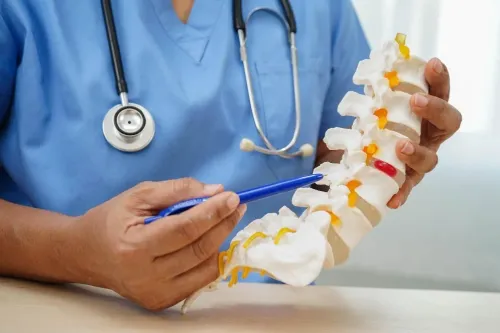
- Compression fractures affecting the spine, especially in older adults
Each fracture requires careful evaluation because treatment differs based on the location and complexity of the injury.
When a Bone Injury Needs Immediate Care
Pain alone does not always indicate the seriousness of a fracture. Some injuries become more severe if medical treatment is delayed.
Seek medical evaluation if you notice:
- Severe pain after a fall or accident
- Swelling that continues to increase
- Difficulty moving the injured limb
- Visible deformity
- Inability to stand or walk
- Numbness around the injured area
- Bone protruding through the skin
Prompt diagnosis helps prevent complications such as poor bone alignment, delayed healing, and nerve damage.
Finding the Exact Nature of the Injury
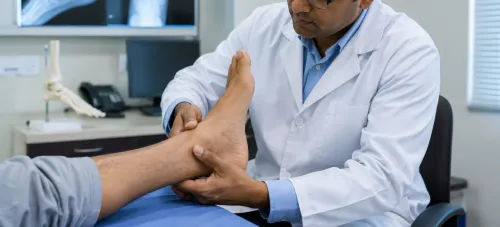
An orthopaedic specialist begins by examining the injured area and understanding how the accident occurred.
Depending on the symptoms, investigations may include:
- Digital X-rays
- CT scans for complex fractures
- MRI scans when soft tissue injuries are suspected
These imaging techniques allow doctors to determine whether the fracture can heal with immobilisation or requires surgery.
Choosing the Right Fracture Care
Modern fracture treatment focuses on restoring both bone strength and normal movement.
Depending on the injury, treatment may include:
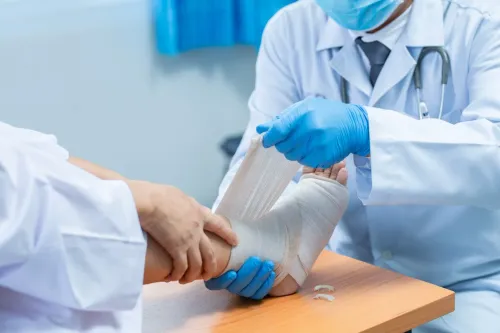
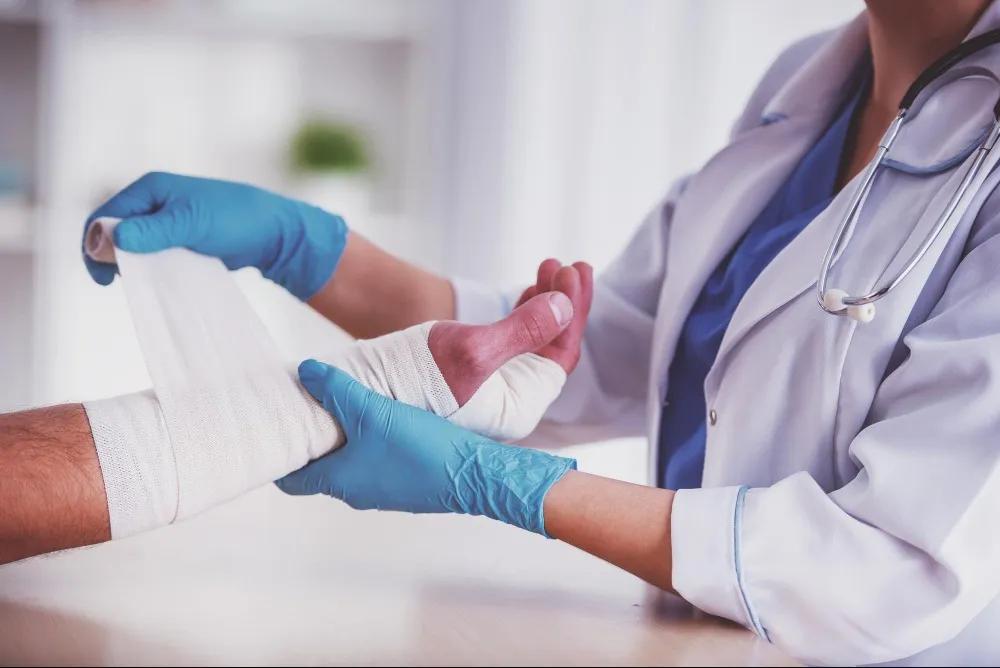
- Casts or splints to keep the bone stable
- Closed reduction to realign the bone without surgery
- Internal fixation using plates, screws, or rods
- External fixation for severe trauma cases
- Pain management and supportive medication
Every treatment plan is tailored according to the patient's age, activity level, overall health, and fracture pattern.
Building Strength After Healing
Bone healing is only one part of recovery. Muscles, joints, and surrounding tissues also need rehabilitation.
Recovery often includes:
- Physiotherapy exercises
- Gradual weight-bearing activities
- Joint mobility exercises
- Muscle strengthening
- Nutritional support rich in calcium and protein
Patients who actively participate in rehabilitation generally recover function more effectively and return to daily life sooner.
Protecting Your Bones Every Day
Many fractures can be prevented through healthy lifestyle habits.
Simple preventive measures include:
- Wearing protective equipment during sports
- Maintaining strong bones with a balanced diet
- Exercising regularly to improve balance
- Using appropriate footwear
- Making homes safer for elderly family members by reducing fall hazards
Preventive care becomes especially important as people grow older and bone density naturally decreases.
Patients looking for reliable fracture treatment in Kalamboli benefit from timely diagnosis and personalised orthopaedic care. Dhanvantari Hospital provides comprehensive fracture management using modern diagnostic facilities and evidence-based treatment approaches, helping patients regain confidence in their movement while reducing the risk of future complications.
Keywords