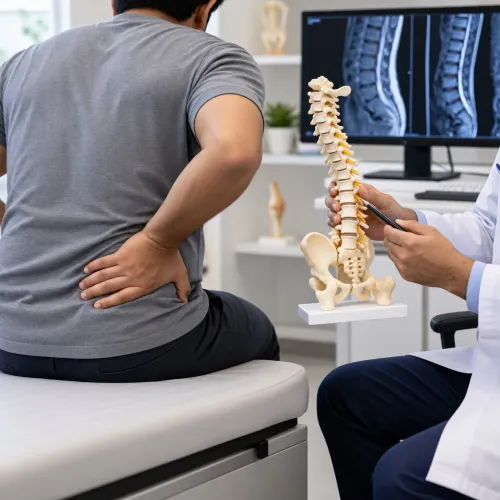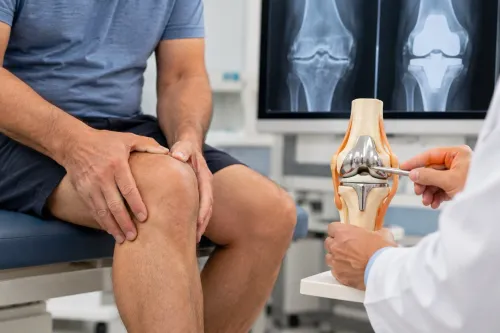

Joint pain affects people of every age, although the causes differ from one individual to another. Some people experience stiffness after long working hours, while others struggle with pain caused by arthritis, injuries, or repetitive strain. Although occasional discomfort may improve with rest, recurring joint pain often signals an underlying condition that requires proper evaluation.
Across Kalamboli and neighbouring areas of Maharashtra, joint pain is one of the most common reasons patients seek orthopaedic consultation.
Healthy Joints Keep Everyday Life Moving
Joints allow the body to bend, lift, walk, climb stairs, and perform countless daily activities. When cartilage, ligaments, tendons, or surrounding tissues become damaged, even simple movements can become uncomfortable.
Frequently affected joints include:
- Knees
- Shoulders
- Hips
- Ankles
- Wrists
- Elbows
Pain may develop gradually or appear suddenly after an injury.
Early Symptoms Should Never Be Overlooked
Many people continue their normal routine despite increasing discomfort. Unfortunately, delaying treatment may allow the condition to progress.
Common warning signs include:
- Morning stiffness
- Swelling around the joint
- Clicking during movement
- Reduced flexibility
- Pain while climbing stairs
- Difficulty lifting objects
- Persistent discomfort after activity
Early diagnosis often improves treatment outcomes.
Every Joint Problem Has A Different Cause
Joint pain may result from several underlying conditions rather than ageing alone.
Common causes include:
- Osteoarthritis
- Rheumatoid arthritis
- Sports injuries
- Tendon inflammation
- Ligament injuries
- Cartilage damage
- Previous fractures
- Joint infections
Identifying the exact cause allows doctors to recommend the most suitable treatment.
Treatment Focuses On Restoring Movement
Modern orthopaedic care aims to improve both comfort and mobility while preventing further joint damage.
Treatment options may include:
- Medication
- Physiotherapy
- Lifestyle modification
- Joint injections
- Activity modification
- Rehabilitation programmes
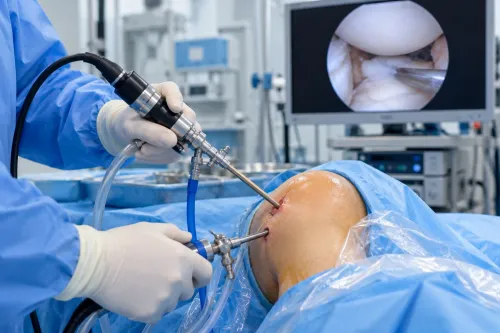
- Surgical treatment when conservative care no longer provides relief
The treatment plan depends on the severity of symptoms and the patient's daily activity level.
Small Lifestyle Changes Create Lasting Benefits
Healthy joints respond well to consistent self-care.
Daily habits that support joint health include:
- Maintaining an ideal body weight
- Exercising regularly
- Strengthening surrounding muscles
- Following proper lifting techniques
- Staying physically active
- Eating a balanced diet rich in calcium and vitamin D
These simple measures help reduce unnecessary stress on the joints.
Better Mobility Starts With The Right Diagnosis
Persistent joint pain should never become part of everyday life. A detailed orthopaedic evaluation helps identify the underlying condition before long-term damage develops.
Patients experiencing joint pain in Kalamboli can benefit from comprehensive assessment and personalised treatment at Dhanvantari Hospital. With an emphasis on accurate diagnosis and evidence-based care, the hospital supports patients in regaining comfortable movement and improving their overall quality of life.
Keywords