
Shoulder pain can come from the tendons, joints, bones, nerves in your neck or an organ outside the musculoskeletal system. By matching the pain pattern and associated symptoms to clear urgency thresholds, you can decide when to try limited home care, when to arrange an assessment and when to seek emergency help.
Key takeaways
- Sudden weakness, deformity, or inability to move your arm needs urgent assessment.
- Chest pain, breathlessness, sweating, or nausea with shoulder pain can signal an emergency.
- Try relative rest, ice or heat, and gentle movement before seeking review for persistent pain.
- X-rays show bones; ultrasound and MRI assess tendons, muscles, and other soft tissues.
Which shoulder-pain pattern fits your symptoms?
Pain with lifting your arm is not one diagnosis. The location, movement that triggers it, stiffness, weakness, clicking, numbness and the speed of onset provide useful clues.
| Pattern | What it suggests | Typical clues |
|---|---|---|
| Rotator-cuff tendinopathy or rotator-cuff tear | Tendon problem | Pain lifting overhead or lying on that side; sudden weakness after a fall or lifting injury raises concern for a tear, but pain alone does not prove one. |
| Subacromial pain | Irritation around the cuff | Painful overhead movement, often after repetitive work or sport. |
| Frozen shoulder adhesive capsulitis | Tightened joint capsule | Gradual loss of both active and passive movement; risk increases with diabetes or thyroid disease. |
| Top-of-shoulder pain | Acromioclavicular joint problem | Pain with cross-body movement or after a direct blow or fall. |
| Slipping or clicking | Instability or labral injury | Apprehension, repeated dislocation, deep pain, catching or clicking. |
| Front-of-shoulder pain | Biceps tendinopathy | Pain during lifting or pulling. |
| Stiffness with activity | Osteoarthritis or rheumatoid arthritis | Osteoarthritis causes activity-related pain; rheumatoid arthritis can affect both shoulders with swelling and prolonged morning stiffness. |
| Pain into the arm | Neck nerve irritation | Neck movement changes the pain, or tingling, numbness or weakness travels down the arm. |
Heart, lung or abdominal disease can also refer pain to the shoulder. Sudden symptoms after injury suggest a different problem from pain that develops gradually, while persistent unexplained night pain, progressive weakness, fever or weight loss needs medical assessment.
Which injury symptoms require immediate medical care?
After a major fall, collision or direct impact, seek emergency assessment rather than observation if the shoulder has a visible deformity, the arm cannot move, swelling or bruising is severe, an open wound is present, or you suspect a fracture or shoulder dislocation.
| Finding | What it may indicate | Action |
|---|---|---|
| Visible deformity or an arm held oddly | Shoulder dislocation or fracture | Keep the arm still and seek emergency care |
| Cold or pale hand, blue fingers or loss of sensation | Blood-vessel or nerve injury | Seek emergency care immediately |
| New numbness or marked weakness | Nerve injury or a sudden tendon tear | Arrange urgent assessment |
| Severe swelling, bruising or inability to use the arm | Fracture, including a proximal humerus fracture | Seek urgent assessment |
| Open wound over the shoulder | Open fracture or serious soft-tissue injury | Cover it with a clean dressing and attend emergency care |
Older adults can sustain a proximal humerus fracture after a relatively low-energy fall. Do not force a dislocated shoulder back into place at home; manipulation can worsen damage to bone, nerves or blood vessels.
A hot, swollen, intensely painful shoulder with fever or feeling acutely unwell needs same-day medical care. Septic arthritis can permanently damage the joint.
Persistent night pain is more concerning when it has no clear cause or comes with progressive weakness, unexplained weight loss, fever or a history of cancer. Pain after a sudden tear can cause immediate weakness without visible deformity, so prompt assessment still matters.
When could shoulder pain signal a non-orthopaedic emergency?
Sudden left shoulder pain and chest pressure are heart attack symptoms until emergency clinicians say otherwise. Treat sudden pain in the left shoulder or arm as an emergency when it comes with shortness of breath, sweating, nausea, faintness, or pain spreading to the jaw, back or arm.
Call emergency services, not a routine orthopaedic appointment, even if the shoulder itself is not very tender. This is referred shoulder pain.
Other non-orthopaedic warning patterns include:
- Shoulder pain with breathing difficulty, chest pain, coughing or sudden breathlessness can come from a lung condition.
- Shoulder pain with severe upper-abdominal pain, vomiting or abdominal tenderness can signal an abdominal problem.
- A hot, swollen and intensely painful shoulder with fever or feeling acutely unwell needs same-day care for possible septic arthritis, even without an injury.
For pain without these red flags, worsening symptoms, substantial weakness, recurrent instability, numbness or loss of sensation justify prompt medical evaluation. Arrange a routine assessment when the shoulder remains very difficult to move or has not improved after about two weeks of sensible self-care. Seek help sooner after an injury or when symptoms steadily worsen.
What can you safely try at home, and for how long?
For pain after repetitive overhead work or sport, try relative rest for up to two weeks: reduce the painful activity while keeping your elbow, wrist and shoulder moving gently through a comfortable range. Avoid painful overhead loading, heavy lifting and repeated throwing.
Do not immobilise the arm completely unless a clinician tells you to; prolonged immobilisation increases stiffness and can contribute to frozen shoulder.
1. Use an ice pack wrapped in cloth for 15 to 20 minutes after activity when swelling or a recent strain is present. Use gentle heat before movement for stiffness, but stop if it increases swelling or throbbing.
2. Keep shoulder home exercises gentle. Do not begin forceful strengthening when a tear, instability, fracture or dislocation is possible, and stop any exercise that causes severe pain.
3. Follow the package dose limit for paracetamol. Check cold and pain medicines for hidden paracetamol before taking another dose. For ibuprofen, naproxen and diclofenac safety, seek medical advice first if you have kidney disease, a stomach ulcer, take blood thinners or are pregnant.
Stop self-care and seek earlier assessment for worsening pain, substantial weakness, numbness, loss of sensation, recurrent slipping or difficulty moving the arm. Arrange an appointment if sensible home care has not helped after about two weeks, or sooner after an injury.
What happens during a shoulder assessment, and which scan is useful?
Imaging follows the shoulder clinical examination; it is chosen for the suspected source, not ordered automatically. A clinician asks when symptoms started, whether a fall or repetitive activity preceded them, where pain sits, and about night pain, stiffness, clicking, instability and neurological symptoms.
During the shoulder clinical examination, the clinician checks active and passive range of motion, strength, tenderness and pain triggered by specific movements. They also examine the neck, reflexes, sensation and nerve function; neck-related pain becomes more likely when neck movement changes arm symptoms.
| Scan | What it shows | When it helps |
|---|---|---|
| Shoulder X-ray | Fracture, dislocation, arthritis, bone alignment and some bone abnormalities | Injury, suspected arthritis or a bone-related cause; it does not show rotator-cuff tendons well |
| Shoulder ultrasound | Many rotator-cuff tendons during movement, with side-to-side comparison | Suspected tendon disease or tear when dynamic assessment is useful |
| MRI | Detailed views of tendons, labrum, cartilage, bone marrow and other soft tissue | Marked weakness, traumatic injury, recurrent instability or an unclear diagnosis |
A clinician may choose no immediate imaging when the pattern supports uncomplicated soft-tissue pain and no red flags are present. Persistent symptoms, substantial weakness or an unclear diagnosis can justify imaging or referral; neither scan replaces the examination.
At Dhanvantari Hospital, an orthopaedic assessment in Panvel can link examination findings to rehabilitation, conservative care or further investigation when that is the appropriate next step.
Related service
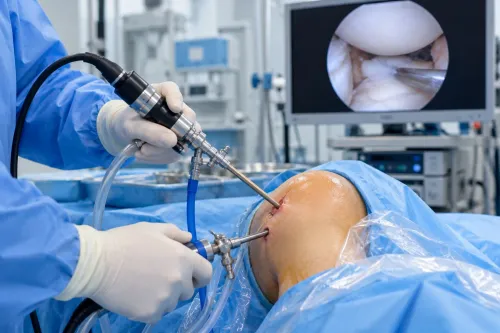
Arthroscopy and Sports Medicine Treatment Arthroscopy and Sports Medicine Treatment At Dhanvantari Hospital, Dr. Anand Upadhye and Dr. Sushant Upadhye provides advanced Arthroscopy and Sports Medicine treatments for patients... View service → |
Frequently asked questions
Which shoulder-pain patterns can help identify the cause?
Pain with lifting, stiffness, weakness, clicking, numbness, location, and speed of onset provide clues. Pain after an injury differs from gradually worsening pain or pain that travels down the arm.
Which shoulder injury symptoms require immediate medical care?
Seek urgent care after a major injury, visible deformity, sudden severe pain, inability to move the arm, or new marked weakness or numbness.
When could shoulder pain signal a non-orthopaedic emergency?
Shoulder pain with chest pressure, breathlessness, sweating, nausea, faintness, or pain spreading to the jaw or left arm needs emergency evaluation.
What can you safely try at home for shoulder pain?
Avoid painful lifting, keep the shoulder gently moving, and use an ice pack or heat wrapped in a cloth. Arrange medical assessment if pain worsens, limits daily activity, or does not improve.
What happens during a shoulder assessment, and which scan is useful?
The clinician checks movement, strength, tenderness, sensation, and neck function. X-rays assess bones; ultrasound assesses many tendons; MRI gives detailed images of soft tissues and the joint.