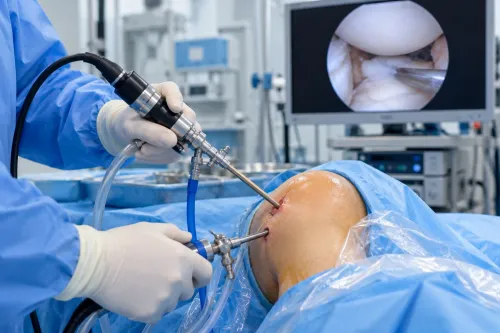
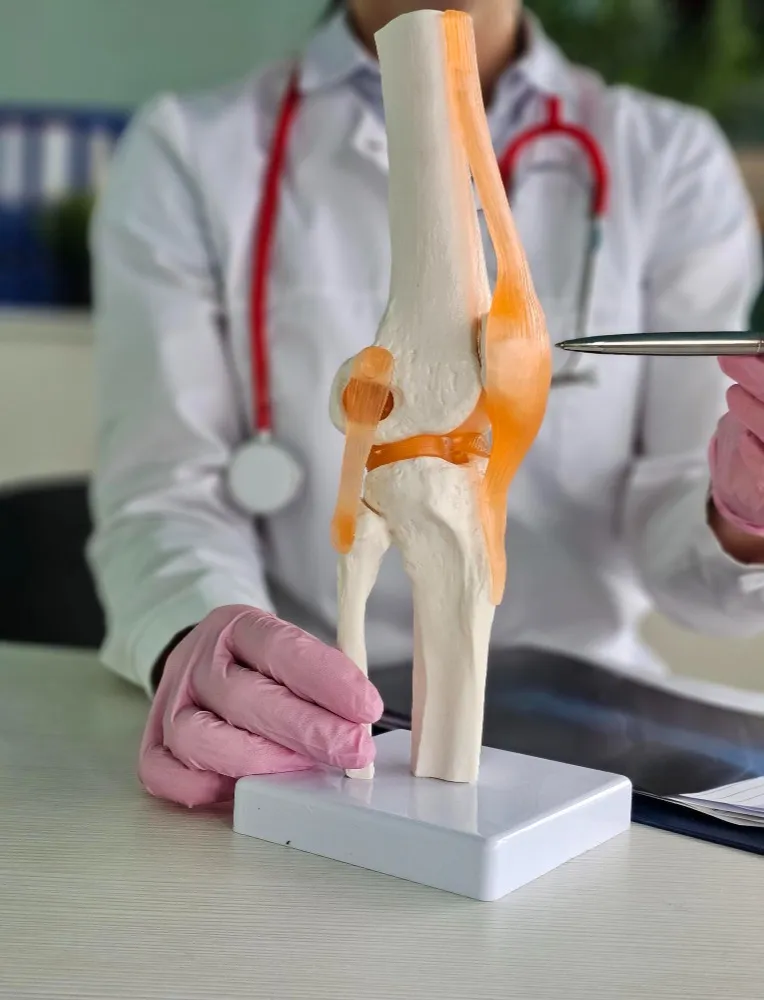
Joint pain can gradually change the way a person walks, sleeps, works, climbs stairs, and manages everyday activities. While medicines, physiotherapy, exercise modification, and other conservative treatments can help many people, severe joint damage may eventually require consideration of Joint Replacement Surgery.
The procedure involves replacing damaged joint surfaces with artificial components designed to restore smoother movement and reduce pain associated with advanced joint disease. Knee and hip joints are among the most commonly treated joints.
Why Joint Damage Can Become Difficult to Manage
Healthy joints contain smooth cartilage that allows bones to move with minimal friction. Conditions such as osteoarthritis can gradually wear this cartilage down. As the joint deteriorates, movement may become painful and stiffness may increase.
People may initially notice discomfort after walking long distances. Over time, symptoms can begin affecting shorter activities, stair climbing, getting out of a chair, or even resting.
Joint replacement is generally not the first treatment considered. The decision usually follows an assessment of symptoms, joint damage, functional limitations, general health, and response to non-surgical treatment.
Signs That May Lead to Surgical Evaluation
An orthopedic consultation may become particularly relevant when:
- Joint pain remains significant despite appropriate treatment
- Walking distance becomes increasingly limited
- Stiffness interferes with routine movement
- Pain repeatedly disturbs sleep
- Daily tasks become difficult
- Joint deformity progresses
- Imaging demonstrates substantial structural damage
No single symptom automatically means surgery is necessary. The overall effect of the condition on mobility and quality of life matters.
What Happens Before a Decision Is Made
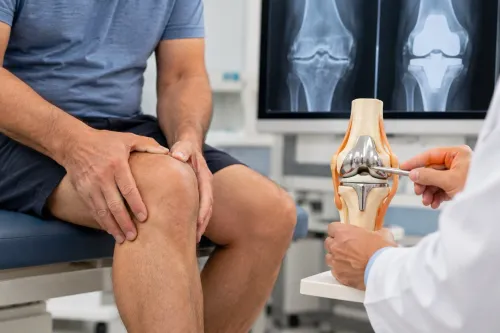
Evaluation usually begins with a detailed medical history and physical examination. The orthopedic specialist assesses joint movement, stability, alignment, tenderness, and the activities that trigger symptoms.
X-rays and other investigations may be used when clinically appropriate to understand the extent of joint damage. Existing health conditions, medications, body weight, muscle strength, and rehabilitation readiness can also influence treatment planning.
Patients should use this stage to understand what surgery can realistically achieve. Useful discussions include expected mobility, pain management, rehabilitation requirements, implant considerations, possible complications, and the expected recovery process.
Recovery Extends Beyond the Operation
Successful rehabilitation requires active patient participation. Physiotherapy and guided exercises typically focus on restoring movement, strengthening surrounding muscles, and improving functional independence.
Recovery varies between individuals. Age, preoperative fitness, the joint involved, associated medical conditions, and adherence to rehabilitation can all influence progress.
For patients in Kalamboli and nearby Navi Mumbai communities, access to orthopedic assessment close to home can make follow-up and rehabilitation planning more manageable. Dhanvantari Hospital evaluates joint conditions and helps patients understand whether continued conservative management or surgical treatment is appropriate.
Joint replacement should ultimately be based on clinical need rather than age alone. When persistent pain and structural joint damage substantially limit everyday life, a thorough orthopedic evaluation can clarify available options and help patients make a well-informed treatment decision.
Keywords