
Back problems affect millions of people, but only a small percentage eventually require spine surgery. Most spinal conditions improve with medication, physiotherapy, posture correction, and lifestyle changes. However, when pain becomes severe, nerve compression worsens, or mobility continues to decline, surgery may offer lasting relief and help restore normal function.
For people living in Kalamboli and nearby regions of Maharashtra, understanding when spine surgery becomes necessary can reduce anxiety and encourage timely medical care.
Living With Pain Is Never the Goal
Persistent spinal pain affects much more than the back. It can interfere with sleep, work, travel, and even simple household activities. Many patients gradually limit their daily routine because movement becomes uncomfortable.
Pain lasting several weeks despite conservative treatment deserves professional evaluation rather than continued self-medication.
Your Spine Speaks Through Many Symptoms
Spinal disorders rarely present with pain alone. Different symptoms often reveal where the problem exists.
Medical attention becomes important when you experience:
- Pain spreading into the arms or legs
- Numbness or tingling
- Muscle weakness
- Difficulty walking long distances
- Loss of balance
- Persistent neck or lower back pain
- Reduced control over bladder or bowel function in severe cases
These symptoms may indicate pressure on important spinal nerves.
Finding The Exact Problem Changes Everything
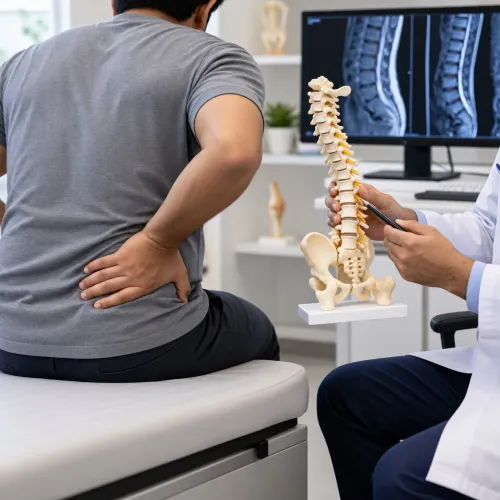
Every successful treatment begins with an accurate diagnosis.
An orthopaedic spine specialist may recommend:
- Clinical examination
- Digital X-rays
- MRI scanning
- CT imaging when required
- Neurological assessment
These investigations identify whether discs, vertebrae, nerves, or joints are responsible for the symptoms.
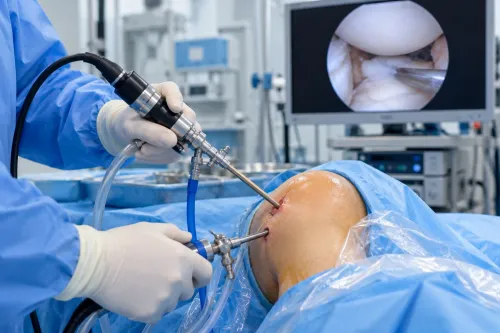
Modern Spine Surgery Focuses On Precision
Advances in technology have transformed spinal surgery over the past decade.
Depending on the condition, treatment may involve:
- Decompression procedures
- Disc surgery
- Spinal fusion
- Minimally invasive techniques
- Stabilisation using specialised implants
The procedure is selected according to the patient's symptoms, age, activity level, and imaging findings.
Recovery Continues Long After Surgery
Healing does not stop inside the operating room.
Successful rehabilitation usually includes:
- Guided walking programmes
- Physiotherapy
- Core muscle strengthening
- Flexibility exercises
- Gradual return to daily activities
Patients who actively participate in rehabilitation generally regain mobility more efficiently.
Healthy Choices Support A Strong Spine
Protecting the spine reduces the likelihood of future problems.
Simple habits include:
- Maintaining proper posture
- Exercising regularly
- Strengthening core muscles
- Avoiding prolonged sitting
- Lifting objects correctly
- Keeping body weight within a healthy range
Individuals considering spine surgery in Kalamboli should undergo a detailed evaluation before making treatment decisions. Dhanvantari Hospital provides comprehensive spine care, helping patients understand every available treatment option while focusing on safe recovery and improved quality of life.
Keywords