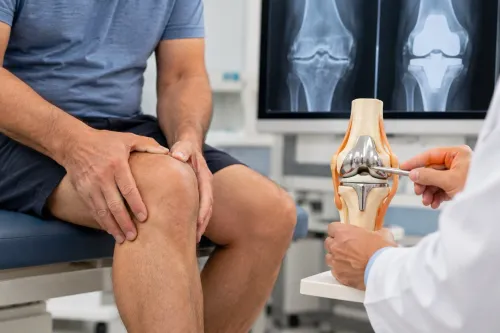
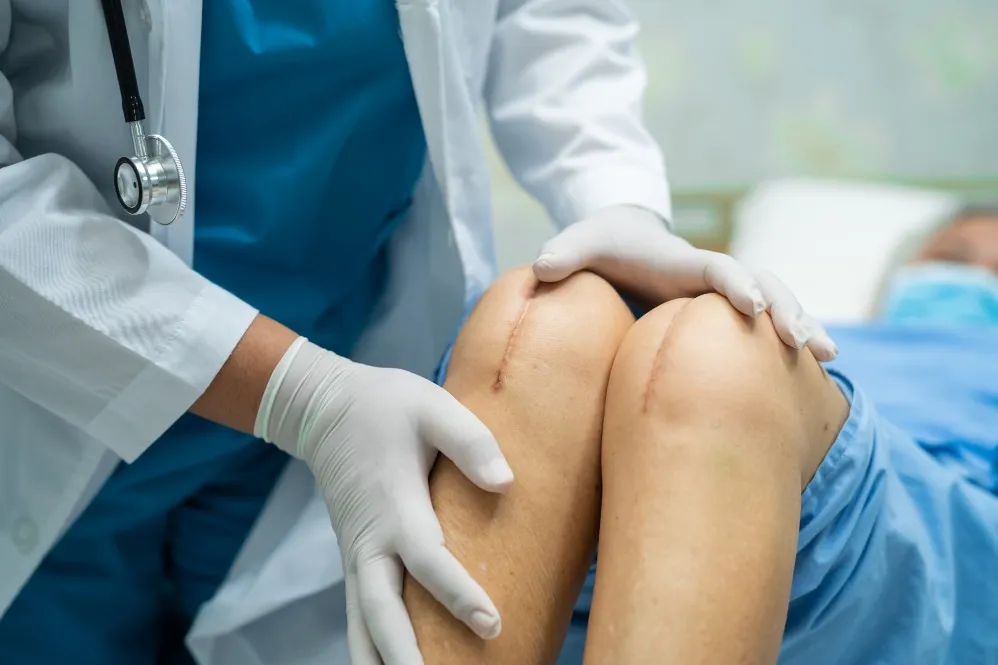
Persistent knee pain can gradually take away the freedom to walk, climb stairs, or enjoy daily life. While medications and physiotherapy help many people, advanced arthritis may eventually require surgical treatment. Knee replacement has become one of the most successful orthopaedic procedures for restoring mobility and improving quality of life.
For many residents of Kalamboli and surrounding areas of Maharashtra, understanding when knee replacement becomes the right choice helps reduce unnecessary suffering and supports timely treatment.
When Every Step Starts Feeling Difficult
Healthy knee joints allow smooth movement by cushioning the bones with cartilage. As this protective layer wears away, movement becomes painful and stiff.
Common reasons include:
- Osteoarthritis
- Rheumatoid arthritis
- Previous fractures
- Sports injuries
- Joint deformities
- Age-related cartilage damage
Pain often develops gradually, making it easy to ignore during the early stages.
Small Changes That Signal Bigger Joint Problems
Many patients continue living with knee pain without realising that the condition is progressing.
Watch for symptoms such as:
- Difficulty climbing stairs
- Pain while walking short distances
- Morning stiffness
- Swelling around the knee
- Grinding sensation during movement
- Reduced flexibility
- Difficulty standing after sitting
These symptoms often become more noticeable over time.
Every Patient Does Not Need Surgery
Knee replacement is usually considered only after conservative treatment no longer provides lasting relief.
Doctors may first recommend:
- Weight management
- Physiotherapy
- Pain-relieving medication
- Joint injections
- Activity modification
- Supportive braces
These treatments can delay surgery for many individuals.
Modern Surgery Focuses on Better Movement
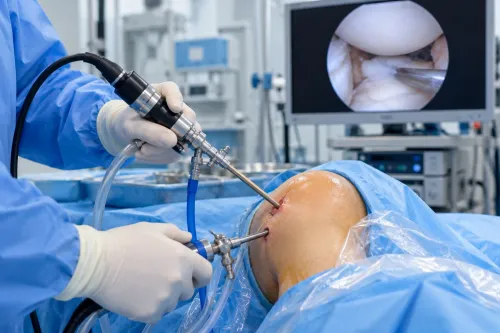
When severe arthritis significantly limits daily activities, knee replacement becomes an effective solution.
Modern procedures are designed to:
- Reduce joint pain
- Restore movement
- Improve walking ability
- Correct deformities
- Increase overall independence
Advances in surgical techniques and rehabilitation have improved outcomes for many patients.
Recovery Begins Before You Leave the Hospital
Successful recovery depends on consistent rehabilitation rather than surgery alone.
Patients typically benefit from:
- Guided physiotherapy
- Walking exercises
- Muscle strengthening
- Balance training
- Regular follow-up appointments
Following rehabilitation instructions improves long-term joint function.
Protecting Your New Knee Every Day
Simple lifestyle choices help maintain healthy joint function after recovery.
These include:
- Staying physically active
- Maintaining a healthy weight
- Avoiding excessive strain
- Wearing supportive footwear
- Continuing strengthening exercises
Patients considering Knee Replacement in Kalamboli should undergo a comprehensive evaluation before making treatment decisions. Dhanvantari Hospital provides personalised orthopaedic assessment and evidence-based care that helps patients regain confidence in everyday movement.
Keywords