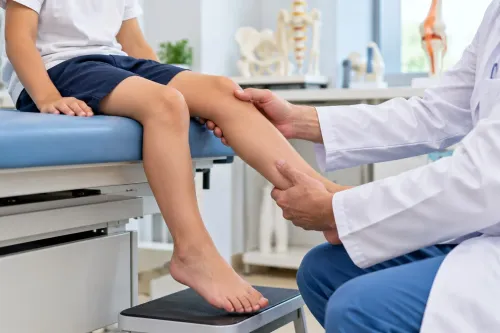
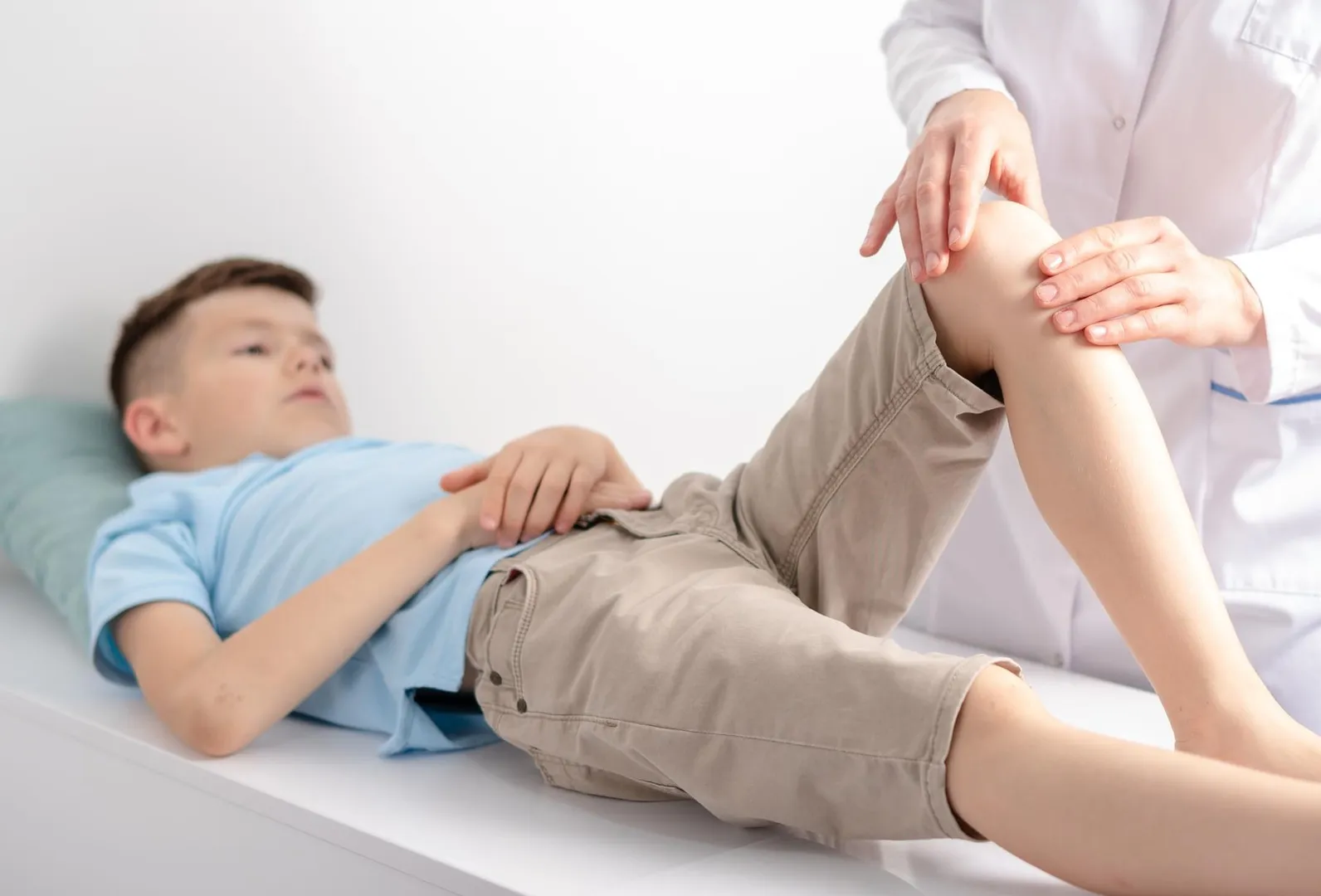
Children’s bones, joints, and muscles are continuously developing. Because of this, orthopedic problems in children often need a different approach from those seen in adults. Paediatric Orthopedics Treatment focuses on identifying and managing conditions that affect a child’s movement, bone growth, joint alignment, and overall musculoskeletal development.
Parents in Kalamboli and surrounding areas of Navi Mumbai may notice concerns such as unusual walking patterns, recurring limb pain, differences in leg alignment, limited joint movement, or difficulty participating in physical activities. Some variations are part of normal growth, while others may benefit from an orthopedic assessment.
Common Orthopedic Concerns During Childhood
Children may require orthopedic evaluation for conditions that are present from birth, develop while growing, or occur following an injury. Common reasons for consultation include:
- Bow legs and knock knees
- Flat feet and foot alignment concerns
- Limb length differences
- Hip development problems
- Sports and playground injuries
- Fractures
- Persistent joint or limb pain
- Changes in walking pattern
- Spinal alignment concerns
- Congenital bone and joint conditions
A child who complains of occasional leg discomfort after an active day may not necessarily have a serious orthopedic problem. Persistent pain, swelling, limping, restricted movement, or symptoms affecting normal activities deserve closer attention.
Why Growing Bones Need Special Consideration
Children are not simply smaller adults from an orthopedic perspective. Their bones contain growth plates, which are areas of developing tissue near the ends of certain bones. Injuries affecting these areas require careful assessment because bone growth is still taking place.
Treatment decisions may also consider the child’s age, skeletal maturity, expected growth, activity level, and the location of the problem. This is why the same type of injury may be managed differently in a child and an adult.
Many childhood orthopedic conditions can be managed without surgery. Depending on the diagnosis, treatment may involve observation, activity modification, physiotherapy, braces, casts, exercises, or other supportive measures. Surgery may be considered when structural correction, fracture stabilization, or another specific intervention is clinically appropriate.
Signs Parents Should Pay Attention To
Children do not always describe pain clearly. Changes in behavior and movement can therefore provide useful clues.
Parents can watch for a child who suddenly avoids running, uses one limb less than the other, repeatedly complains about pain in the same area, develops swelling after an injury, or begins walking differently. Persistent morning stiffness and difficulty moving a joint may also require assessment.
After a fall, parents should pay particular attention to visible deformity, significant swelling, inability to bear weight, or severe pain. These symptoms can indicate an injury requiring timely medical evaluation.
Supporting Movement During Growth
Healthy musculoskeletal development helps children participate comfortably in school, sports, play, and everyday activities. Early assessment does not mean every developmental variation requires treatment. Instead, it helps distinguish normal growth patterns from conditions that may need monitoring or intervention.
For families seeking pediatric orthopedic guidance in Kalamboli, Maharashtra, Dhanvantari Hospital provides access to orthopedic evaluation based on the child’s symptoms, development, and individual clinical needs.
Understanding when a childhood movement concern is temporary and when it deserves medical attention can help parents make informed decisions. With appropriate assessment, the focus remains on supporting comfortable movement, healthy development, and safe participation in age-appropriate activities.
Keywords