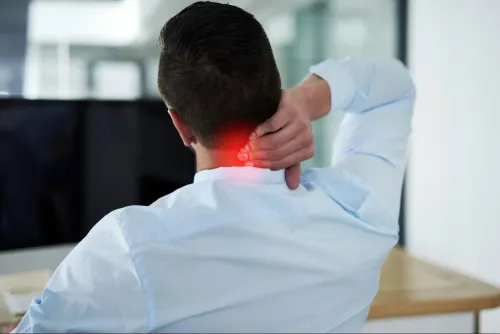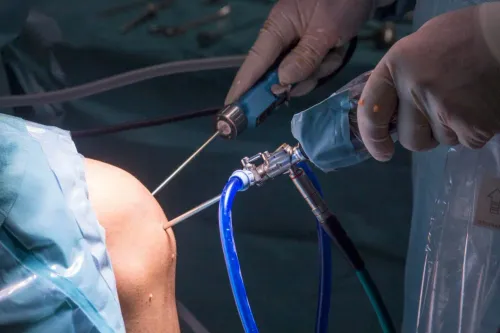
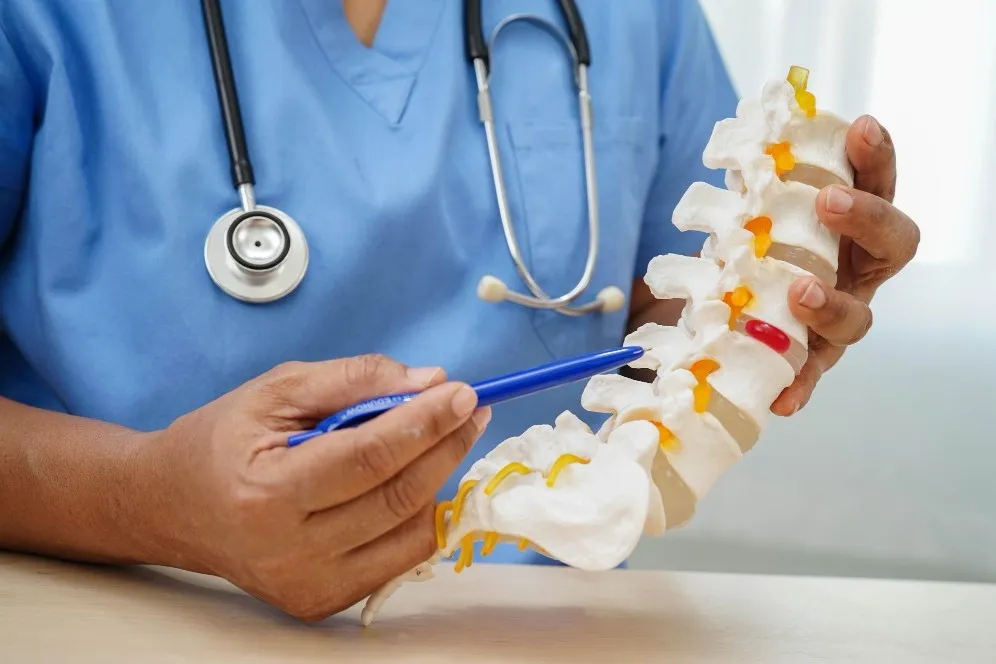
Spinal problems can affect much more than the back. Depending on the condition, a patient may experience radiating limb pain, numbness, weakness, reduced walking tolerance, or difficulty performing routine activities. Spine Surgery Treatment may enter the discussion when a clearly identified spinal condition causes significant symptoms and appropriate non-surgical management has not provided adequate relief.
The decision requires careful evaluation because many spinal conditions do not need an operation.
Conservative Treatment Often Comes First
For many people, initial management may include medicines, activity modification, physiotherapy, posture and movement guidance, and condition-specific exercises.
The appropriate approach depends on the diagnosis. A patient with uncomplicated mechanical back discomfort should not be managed exactly like someone with significant nerve compression.
When symptoms improve and normal function returns with conservative care, surgery may not be necessary.
When Surgical Evaluation Becomes More Relevant
Surgery may be discussed when imaging and clinical findings identify a structural problem that corresponds with persistent symptoms.
Factors that may influence the decision include:
- Progressive neurological weakness
- Persistent nerve-related pain
- Significant functional limitation
- Certain spinal instability problems
- Selected disc conditions
- Spinal canal narrowing with relevant symptoms
- Failure of appropriate conservative management
Urgent evaluation may be required when neurological function deteriorates rapidly or when certain bladder, bowel, and saddle-area sensory changes occur.
Imaging Alone Should Not Make the Decision
MRI reports frequently contain terms such as disc bulge, degeneration, narrowing, or other age-related changes. The presence of an imaging abnormality does not automatically establish that it is responsible for a patient’s symptoms.
Clinical correlation is therefore essential.
A spine specialist evaluates the location and nature of pain, neurological findings, muscle strength, reflexes, sensation, walking ability, and imaging results together. Surgery is considered when there is a reasonable relationship between the structural problem and the symptoms being treated.
Understand the Proposed Procedure
Patients evaluating surgery should know precisely what the operation is intended to address.
Useful questions include:
- Which spinal structure is causing the symptoms?
- What is the objective of the procedure?
- What improvement is realistically expected?
- What are the important risks?
- How long may rehabilitation take?
- What activities will initially be restricted?
- What could happen if surgery is postponed?
Different spinal procedures address different conditions, so broad promises about “fixing back pain” should not replace diagnosis-specific discussion.
Recovery Needs Active Participation
Postoperative recovery may involve walking progression, wound care, physiotherapy, movement precautions, and gradual return to work and routine activities. The plan depends on the procedure and the patient’s overall condition.
Patients seeking spine care in Kalamboli and nearby areas of Navi Mumbai can have their symptoms assessed at Dhanvantari Hospital before deciding on invasive treatment.
The strongest reason to consider spinal surgery is not simply the presence of pain. It is the combination of an appropriate diagnosis, clinically significant symptoms, relevant examination and imaging findings, and a clear understanding of expected benefits and limitations. This approach makes the decision more informed and patient-specific.
Keywords