A painful joint does not automatically need a camera or an operation. By the end, you will know what arthroscopy can reveal, when it can treat the problem at the same sitting, which tests and non-operative options come first, and when another operation or no surgery is the better choice.
Key takeaways
- Arthroscopy can inspect and treat knee, shoulder, hip, ankle, elbow and wrist problems.
- Use arthroscopy for diagnosis when examination and imaging cannot identify the joint problem.
- Treatment is reasonable when the finding matches your symptoms and a repair can improve function.
- Ask about alternatives, expected benefit, risks, recovery time and the surgeon’s findings-based plan.
What does arthroscopy show, and which joints can it treat?
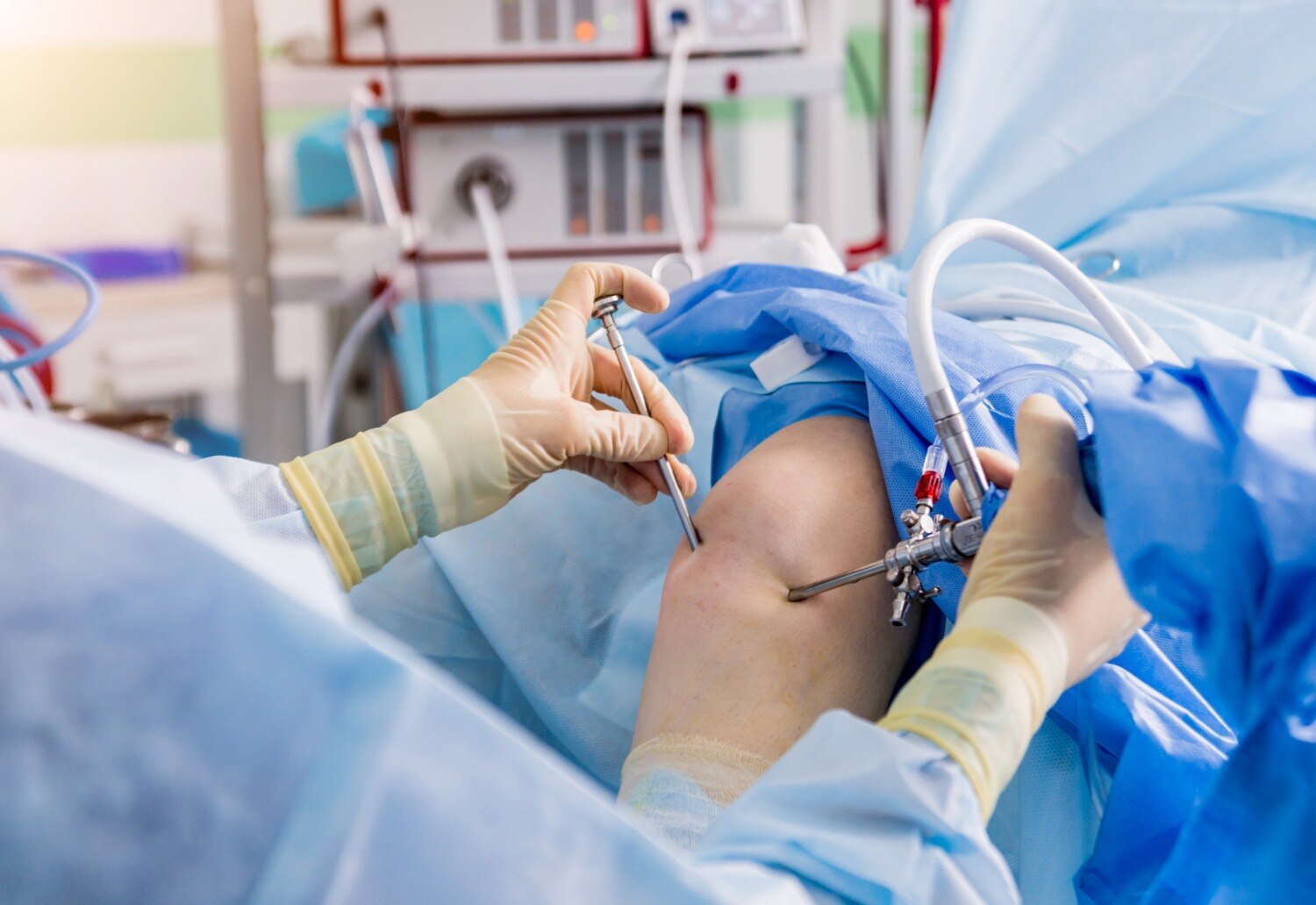
Arthroscopy uses a small camera, called an arthroscope, inserted through a small portal into the joint. Saline expands the joint space so the surgeon can view cartilage, joint surfaces, ligaments, tendons and the synovial lining on a monitor.
Through additional portals, slim instruments can remove loose bodies, trim or repair selected tissue, treat some cartilage defects or take a biopsy. That is what is arthroscopy in practice: direct inspection that can become treatment during the same operation.
| Joint | Problems it may show or treat |
|---|---|
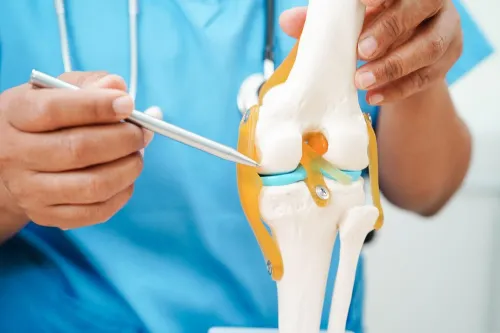
| Knee | Meniscus tears, selected anterior cruciate ligament injuries, cartilage damage, loose fragments and some post-traumatic conditions |
| Shoulder | Recurrent dislocation, labral injuries, rotator-cuff problems, cartilage damage and loose bodies |
| Hip | Selected labral tears, cartilage injuries, impingement-related problems and loose bodies |
| Ankle | Cartilage lesions, loose bodies, synovitis and selected post-traumatic problems |
| Elbow | Synovitis, loose bodies, cartilage injury and stiffness-related problems |
| Wrist | Cartilage or ligament injury, synovitis, instability and selected post-traumatic problems |
Knee arthroscopy and shoulder arthroscopy are common examples, but seeing an abnormality does not prove that it causes your symptoms. The camera may find an incidental or age-related lesion, or tissue that cannot be repaired safely. Your symptoms, examination, imaging and the lesion’s repairability must fit before arthroscopy becomes a useful treatment.
When is arthroscopy used for diagnosis rather than treatment?
Diagnostic arthroscopy usually comes after a history, physical examination and appropriate imaging—not as the automatic next test after an unclear scan. The aim is to explain persistent symptoms with the least invasive investigation that can answer the question.
- Take a history and examine the joint for tenderness, instability, restricted movement, locking and swelling.
- Use X-rays to assess bone alignment, fractures, joint-space narrowing and osteoarthritis.
- Use MRI to examine menisci, cartilage, ligaments and other soft tissues. The MRI versus arthroscopy decision depends on whether non-invasive imaging answers the clinical question.
- Use ultrasound for accessible tendons, fluid collections and movement observed in real time.
- Perform joint aspiration when fluid needs testing for infection, crystals or inflammation.
Arthroscopy after imaging becomes more reasonable when symptoms persist, these tests have not established the cause, or the scan suggests a lesion that could be treated during the same operation. Tissue sampling is another reason to consider it.
During a diagnostic arthroscopy, a surgeon may enter intending only to inspect the joint, then remove a loose body, repair a tear or take a biopsy if the findings justify it. Direct visualisation provides useful evidence, but diagnostic arthroscopy is still surgery, with risks such as infection, stiffness, bleeding and anaesthesia complications.
The expected diagnostic or treatment benefit must outweigh those risks.
Which findings make treatment with arthroscopy reasonable?
Mechanical locking or catching makes arthroscopy reasonable when it suggests a loose fragment or repairable tear. Repeated giving-way also matters, especially when examination and imaging confirm instability or another treatable injury. The strongest indication is a symptom-producing lesion that can be repaired, trimmed or removed.
| Joint | Findings that may justify arthroscopy | Examples |
|---|---|---|
| Knee | Mechanical symptoms, selected traumatic injuries, infection | Meniscus tear arthroscopy, loose-body removal, some ACL arthroscopy procedures and septic arthritis washout |
| Shoulder | Instability, labral or tendon injury, painful internal damage | Shoulder instability arthroscopy, selected rotator-cuff tears, bursitis, cartilage damage, labral injury and loose bodies |
| Hip | A confirmed intra-articular lesion in a suitable patient | Hip arthroscopy for femoroacetabular impingement, labral tears, loose bodies and selected cartilage injuries |
| Ankle, wrist or elbow | Joint-specific symptoms with a defined structural target | Synovitis, instability, cartilage injury, loose bodies and post-traumatic problems |
The word “tear” alone does not decide. Tear pattern, age, activity demands, instability, associated injuries and examination findings determine whether repair is worthwhile; an incidental or irreparable tear may need no operation.
A symptomatic loose body in an arthritic knee can justify arthroscopy for that separate mechanical problem, while arthritis itself is not an indication for routine lavage or debridement. The expected benefit must exceed the risks of surgery.
When is arthroscopy the wrong choice?
Pain from established osteoarthritis is a poor target for arthroscopy. Arthroscopy for arthritis does not restore broadly worn cartilage in the knee or hip, and knee lavage or debridement should not be offered to treat osteoarthritis itself.
A degenerative meniscus tear on MRI does not automatically justify partial meniscectomy. For many adults with degenerative knee disease, exercise-based rehabilitation is preferred; trials show little or no clinically important advantage from surgery over non-operative care.
The decision changes when a separate problem, such as a symptomatic loose body or clearly repairable traumatic tear, causes mechanical locking.
Arthroscopy cannot reliably correct pain caused by:
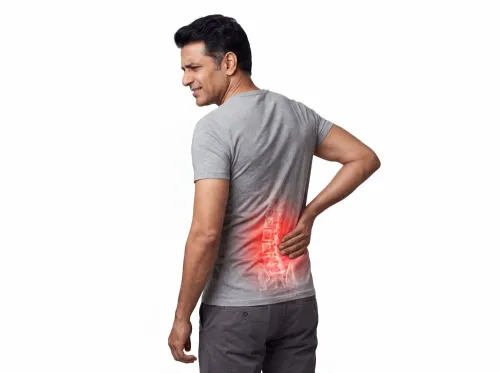
- Referred pain from the spine
- Tendon disease outside the joint
- Nerve disorders
- Widespread joint degeneration
- Pain without a correctable structural lesion
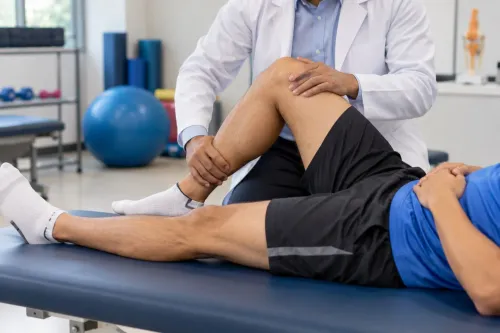
That is the key distinction in arthroscopy versus physiotherapy: surgery targets a confirmed internal lesion, while physiotherapy improves strength, movement and load tolerance without entering the joint. Activity modification, medication or an injection may also be safer first choices.
Arthroscopy versus joint replacement is not a choice between two versions of the same operation. Arthroscopy preserves the joint and treats a selected internal problem; replacement removes severely damaged joint surfaces and substitutes implants for them.
Open surgery is needed when a repair cannot be completed through arthroscopy portals, so the proposed procedure should match the lesion rather than the availability of a camera.
What should you ask before agreeing to arthroscopy?
Before agreeing, use these questions before arthroscopy to establish what the operation is meant to accomplish:
- What exact finding is causing my symptoms, and which examination or scan supports it?
- Is the planned procedure diagnostic, therapeutic or both?
- What happens if you find nothing repairable?
- What non-operative treatment has had a fair trial?
- Would open surgery or joint replacement be more appropriate?
- What restrictions and rehabilitation will each likely finding require?
| Procedure | Typical recovery and restrictions |
|---|---|
| Simple inspection | Early activity as pain allows; protect portal wounds and follow dressing instructions. |
| Loose-body removal | Gradual weight-bearing or movement, with relatively quick return if no repair is performed. |
| Meniscus repair | Limited weight-bearing and restricted bending, followed by several weeks of physiotherapy. |
| Ligament reconstruction | Brace, staged weight-bearing and rehabilitation over several months before demanding sport. |
| Cartilage repair | Protected weight-bearing and carefully progressed movement for weeks to months. |
| Labral repair | Sling or restricted joint movement, then structured strengthening over weeks to months. |
Most operations are day-case procedures under regional or general anaesthesia. Arthroscopy recovery depends on what is done, not simply the size of the incisions.
Discuss arthroscopy risks, including infection, bleeding, blood clots, stiffness, nerve or blood-vessel injury, persistent symptoms and anaesthesia complications. An orthopaedic consultation Panvel patients can access through Dhanvantari Hospital can bring examination, imaging and alternatives together; the findings, not procedure availability, should decide.
Related service
Arthroscopy and Sports Medicine Treatment Arthroscopy and Sports Medicine Treatment At Dhanvantari Hospital, Dr. Anand Upadhye and Dr. Sushant Upadhye provides advanced Arthroscopy and Sports Medicine treatments for patients... View service → |
Frequently asked questions
What does arthroscopy show, and which joints can it treat?
An arthroscope shows cartilage, joint surfaces, ligaments, tendons and the synovial lining from inside a joint. Surgeons use it most commonly in the knee and shoulder, and also in the hip, ankle, elbow and wrist.
When is arthroscopy used for diagnosis rather than treatment?
Diagnostic arthroscopy is considered when your symptoms and physical examination point to a joint problem but X-rays, MRI or other tests do not provide a clear answer. The surgeon may also treat a repairable problem during the same procedure.
Which findings make treatment with arthroscopy reasonable?
Treatment is reasonable when the finding explains your symptoms and the procedure can repair or remove a specific problem, such as a torn meniscus, loose body, damaged cartilage area or inflamed synovial tissue.
When is arthroscopy the wrong choice?
Arthroscopy is the wrong choice when it cannot address the cause of pain, when conservative treatment has not been tried where appropriate, or when advanced arthritis requires a different operation. Ask what benefit the procedure is expected to provide.
What should you ask before agreeing to arthroscopy?
Ask what diagnosis the procedure is testing or treating, which finding would change the plan, what alternatives exist, how much improvement is expected, and the recovery time, complications and possibility of additional surgery.