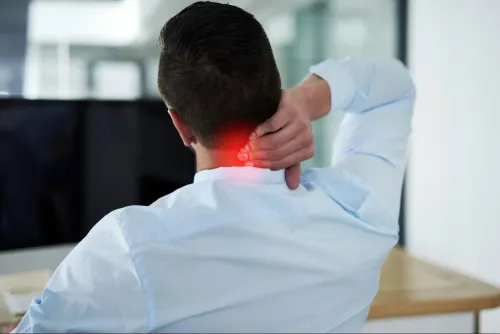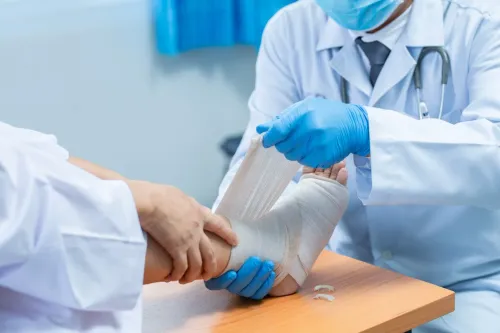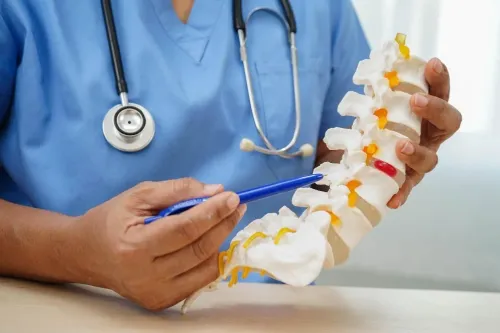

Shoulder pain can make everyday activities surprisingly difficult. Reaching for a shelf, lifting a child, driving, getting dressed, or even sleeping comfortably may become challenging. While many people assume shoulder pain will disappear on its own, persistent discomfort often points to an underlying condition that benefits from professional evaluation.
People in Kalamboli and across Maharashtra frequently develop shoulder problems due to repetitive work, sports injuries, age-related wear, or accidental falls. Identifying the cause early helps prevent stiffness, weakness, and long-term loss of movement.
Why Shoulder Pain Develops
The shoulder is one of the most flexible joints in the body. Its wide range of motion also makes it vulnerable to injury.
Common causes include:
- Rotator cuff injuries
- Tendon inflammation
- Shoulder instability
- Frozen shoulder
- Arthritis
- Sports-related injuries
- Fractures after falls
- Repetitive overhead activities
Because several conditions produce similar symptoms, self-diagnosis is often inaccurate.
Recognising Early Symptoms
Many shoulder problems begin gradually before becoming severe.
Common warning signs include:
- Pain while lifting the arm
- Difficulty reaching behind the back
- Night pain that disturbs sleep
- Clicking during movement
- Weakness while carrying objects
- Reduced shoulder mobility
- Swelling after an injury
Ignoring these symptoms can allow small injuries to become more difficult to treat.
How Shoulder Arthroscopy Supports Modern Treatment
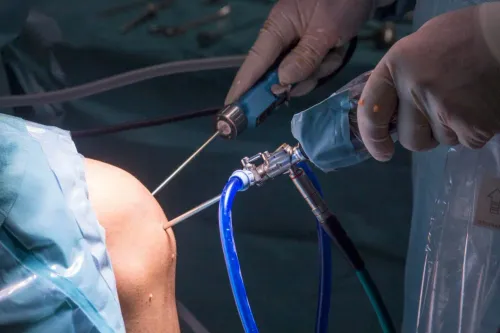
Shoulder arthroscopy is a minimally invasive surgical technique used to diagnose and treat several shoulder conditions through very small incisions.
The procedure allows surgeons to:
- Examine damaged tissues with precision
- Repair torn tendons
- Remove inflamed tissue
- Treat shoulder instability
- Address cartilage damage
Because the procedure uses a tiny camera, surrounding tissues experience less disruption compared to traditional open surgery.
Benefits of Minimally Invasive Shoulder Care
Patients who require arthroscopic treatment may experience several advantages.
These include:
- Smaller incisions
- Reduced post-operative discomfort
- Faster rehabilitation
- Lower infection risk
- Better cosmetic healing
- Earlier return to daily activities
Recovery depends on the specific condition being treated, overall health, and commitment to physiotherapy.
Rehabilitation Builds Long-Term Strength
Successful shoulder treatment does not end after surgery or medication.
Rehabilitation often focuses on:
- Restoring flexibility
- Improving joint stability
- Strengthening shoulder muscles
- Correcting movement patterns
- Preventing repeat injuries
Following a structured rehabilitation programme improves long-term shoulder function and reduces future complications.
Keeping Your Shoulders Healthy
Healthy shoulders rely on both strength and mobility.
Simple preventive measures include:
- Warming up before sports
- Avoiding repetitive overhead strain
- Maintaining proper workplace posture
- Performing regular shoulder stretches
- Strengthening supporting muscles
- Seeking medical advice for persistent pain
Patients experiencing ongoing shoulder pain in Kalamboli should consider professional assessment before the condition worsens. Dhanvantari Hospital offers comprehensive orthopaedic care, including advanced diagnostic evaluation and shoulder arthroscopy when clinically appropriate, helping patients regain comfortable movement and return to everyday life with confidence.
Keywords